A lender wired $53 million against a pending $250 million merger. On March 31 a $4 million payment failed to arrive, and that was how the lender found out something was wrong. An investor from the company's 2023 round found out when money it was owed never showed up. Both of them were already holding the documents that would have warned them.
The forged signatures get the headlines. What gets me is how each party found out.
What happened
Minute Media announced its $250 million acquisition of the video clipping startup VideoVerse in September 2025 and terminated the engagement this May, citing significant discrepancies. The lender now alleges in Delaware Chancery that the documents backing its $53 million were forged, the investor says it never saw its proceeds, and the former COO says his signature was forged on loan and share repurchase agreements. Tens of millions of dollars are missing. All allegations, all contested.
Nearly every party who lost money had the paperwork in a folder the whole time. They could have found it by reading their docs.
Why the ledger could not have caught it
I spent years building and running a private credit firm, and the lesson that stuck is this. The truth in private capital is in the documents, not in the ledger.
Public markets have audited financials and mandated filings, so the tape is the record, and if a company's numbers don't match it, a filing corrects them and the market reprices in minutes. Private markets have no tape. The executed document is the only primary record, and every ledger downstream of it is a summary somebody typed by hand. Which means the ledger cannot catch what the documents disagree about, and disagreement between documents is where the story always is. Everybody in private capital runs the business off the ledger and goes back to the documents when something looks off, and by the time something looks off, the money has usually moved.
What was already in the folders
Diligence is not a management call and a walk through the data room. It is knowing what every executed document says, precisely enough that the contradictions surface before you wire. Look at what was already in folders here.
1) An investor's 2023 terms carry the preference stack and the payout mechanics, so the day a $250 million number goes public the waterfall is arithmetic, and if the announced payout doesn't fit the preferences you know it before the wire leaves.
2) A share repurchase moves ownership, so a cap table rebuilt from documents shows shares moving with nothing authorizing them and no cash event to match, which is a question you can still ask while the deal is pending.
3) Obligation documents carry dates, so a debt schedule assembled from all of them shows the line of unpaid creditors forming before you wire, not after you call the loan.
None of that requires catching a forger. It requires reading your own paperwork at a level of detail no team reaches by hand, which is no longer an excuse.
Reading the folder at that depth
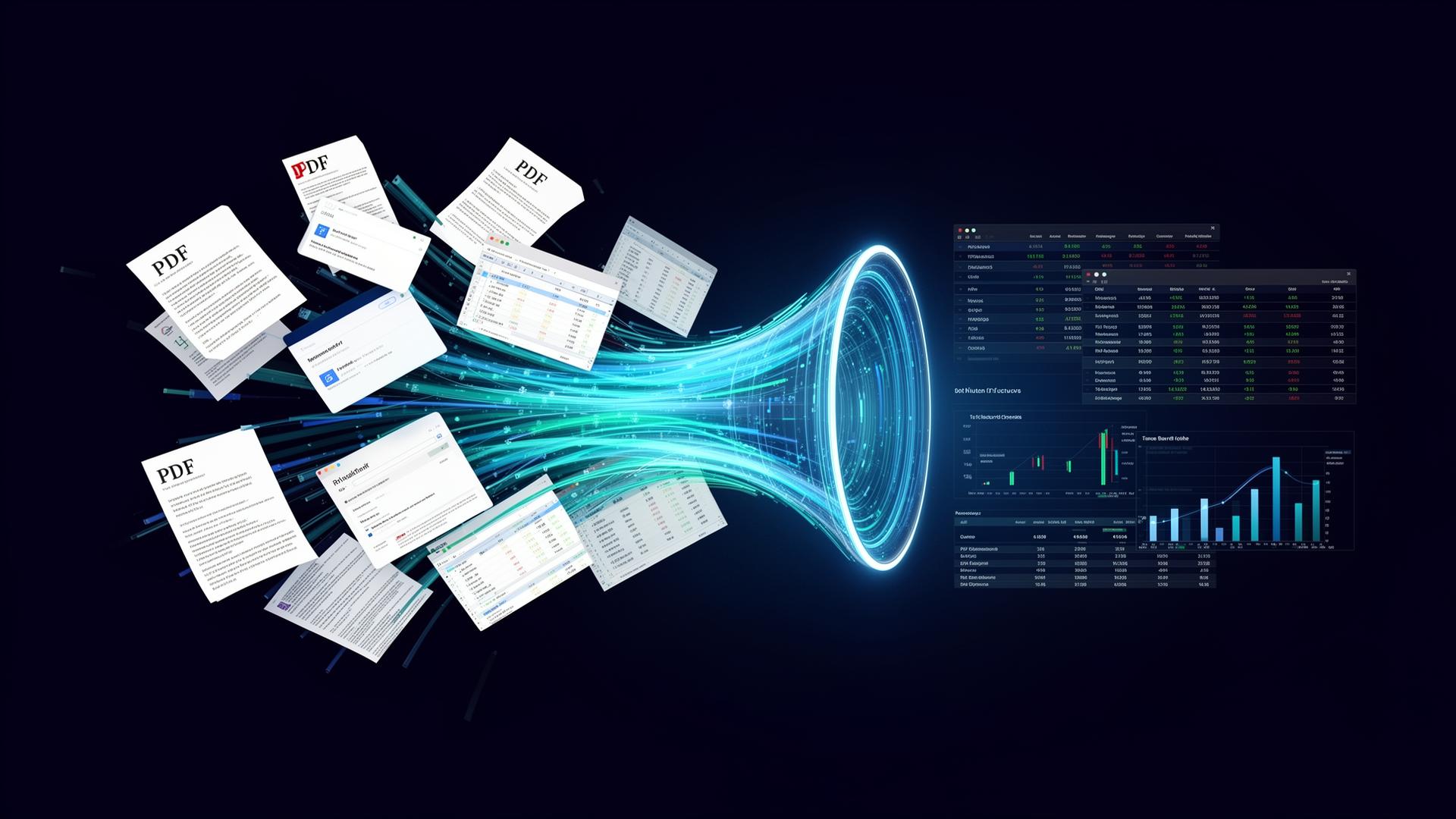
The volume was always the problem. Any lender or investor in a deal this size is holding a note or an SPA, an amended charter, a share repurchase agreement if there was one, and whatever side letters went with them, and reading all of it closely enough to notice that two of those documents disagree about who owns what is weeks of work for a person, which nobody schedules for a position that looks fine on the ledger. Software does that reading now, at GoodStream and elsewhere, and a cap table that doesn't reconcile to the repurchase agreements, or a payment coming due with nothing scheduled to fund it, turns up as a discrepancy in the data weeks before it turns up as a missed wire. A forged signature is a different problem, and no amount of reading catches one, but a waterfall that doesn't add up, shares that moved with no authorization behind them, and a payment obligation with nothing set aside to pay it were all sitting in the paper before any money moved.
The lender and the investor in VideoVerse will now spend a long time in Delaware Chancery arguing about what their documents say. The documents said it in 2023 and again in September 2025, when the $250 million number went public, and nobody read them against each other until the $4 million payment missed on March 31.