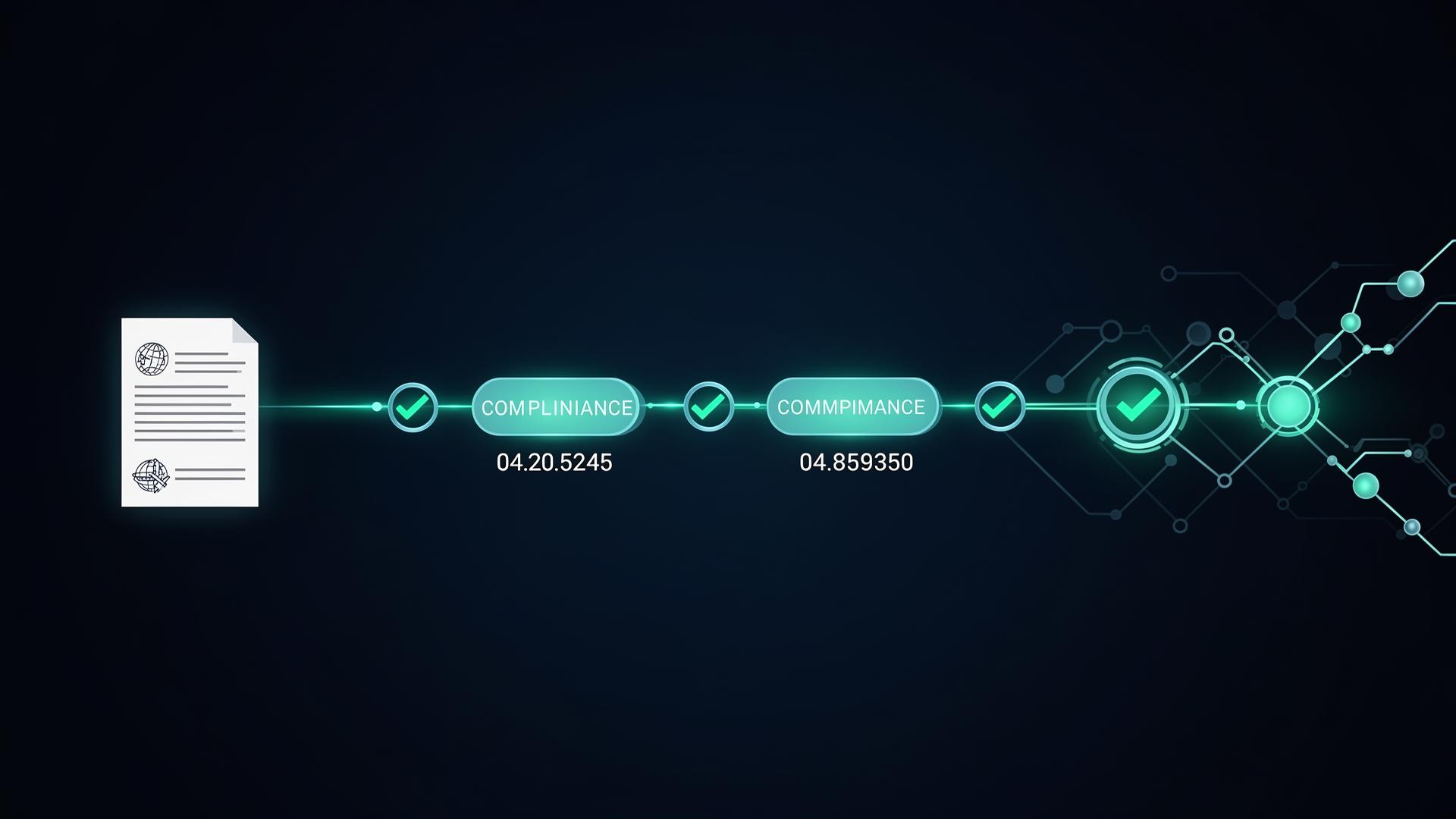
VC isn't "lightweight" from a compliance perspective. It just hides the complexity in PDFs, email threads, and spreadsheets.
Everyone assumes that private equity and hedge funds face regulatory scrutiny while venture capital operates in a Wild West. That's wrong. VC is regulated. The difference is that most firms have successfully pushed the complexity into distributed, unauditable systems - personal email folders, individual analyst spreadsheets, partner memory, and tribal knowledge.
Regulation in Venture Capital
The direction of regulation is obvious even if you ignore the details of any specific rulemaking:
- More disclosure.
- More documentation.
- More exam readiness.
- More liability on GPs for what they claim about their portfolios.
That's why provenance and auditability are becoming the real bar for AI in VC.
If an AI system can't answer simple questions with receipts, it's a liability.
Where did this number come from? Which document? Which version? Who changed it? When? Why?
This matters everywhere a VC firm has to be defensible and consistent.
- Valuations and valuation memos - when you mark down a position, you need to document it.
- LP reporting and quarterly narratives - when you tell LPs the fund returned 2.3x MOIC, you need to show the math.
- Expense allocations and fee support - when you charge expenses against the fund, you need documentation that those expenses actually benefited the fund.
- Side letter obligations and preferential terms - when you claim you honored an investor's pro-rata rights, you need evidence.
- Cybersecurity and incident response - when your auditors ask about data control and access logs, you need provenance.
None of that works if your portfolio intelligence system is a black box.
For years, VC firms have gotten away with "we asked Claude to summarize our cap tables" or "we used ChatGPT to organize our financial models." Those are red flags to any competent auditor. An AI system that just summarizes documents provides insight, but it provides zero accountability. You can't point to the output and say "here's the source" or "here's when this changed" or "here's an audit trail."
The AI that wins in VC won't be the one that's smartest.
It'll be the one that does one thing exceptionally well: turn document chaos into structured facts with a clear, auditable, defensible chain of custody.
Provenance means you can answer every question an auditor asks:
"This is our ownership percentage in Company X." - Here's the cap table. Here's the document it came from. Here's the date we extracted it. Here's the version hash. Here's the changes since the last version.
"We valued this company at Y." - Here's the valuation memo. Here's which assumptions we used. Here's which comparable companies we referenced. Here's who made the decision. Here's when.
"We allocated Z dollars in expenses to this fund." - Here's the invoice. Here's the allocation formula. Here's our documentation that those expenses benefited the fund.
That chain of custody - the provenance layer - is what transforms AI from a productivity tool into a compliance tool.
It's also what separates a system that auditors trust from one that raises red flags.
In a world of tighter scrutiny, provenance isn't a feature.
It's the trust layer.
The VCs that build their AI infrastructure around provenance first - not intelligence first - will sail through audits and regulatory exams. The ones that treat AI as a shortcut to avoid documentation will face questions they can't answer.
That shift is already happening. LPs are asking harder questions. The SEC is scrutinizing fund valuations more closely. Auditors are digging deeper into how firms actually operate. The days of "we know it because we remember it" are ending.
The question for your firm is whether you build your portfolio intelligence system around auditability from the start, or whether you'll be retrofitting documentation to an opaque system later.