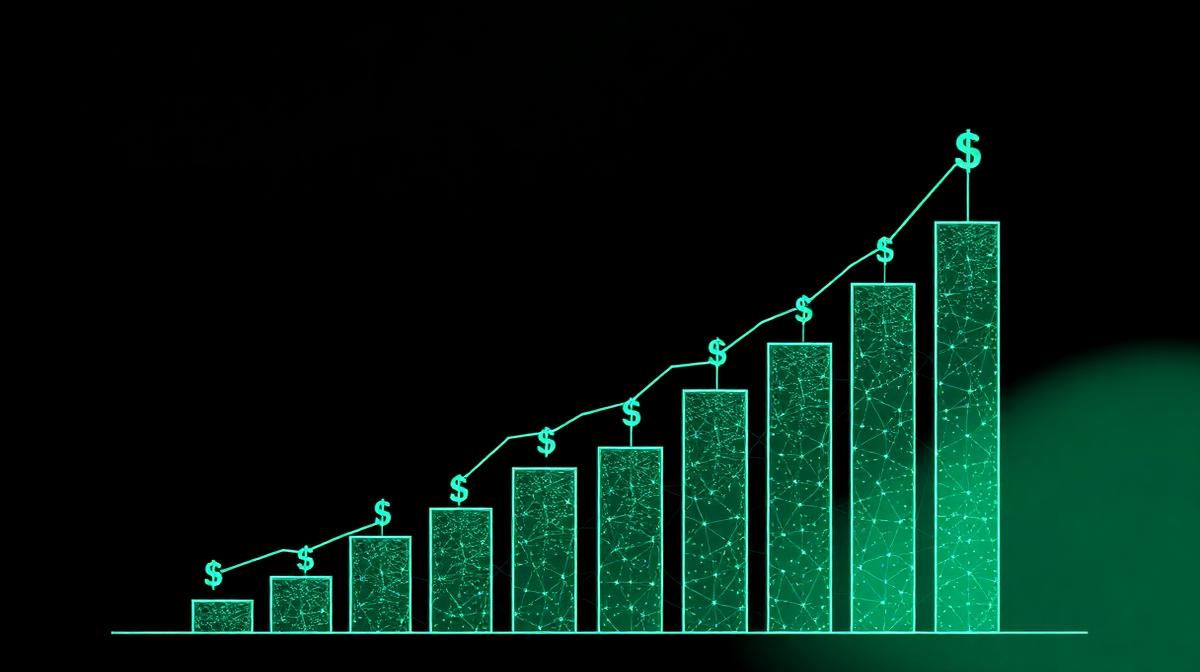
Private markets fund administration is a $12 billion market today. Heading to $25 billion by 2033.
Three companies just raised $54 million or more in 60 days targeting it with AI.
That's not a coincidence. That's a signal.
What VCs Are Seeing That Most GPs Haven't Processed Yet
The vast majority of PE firms plan to increase AI investment in the next 18 months. But fund administration - capital calls, waterfall calculations, investor reporting, NAV reconciliation - is still running on spreadsheets, email chains, and headcount nobody can hire.
The math is brutal. Private market AUM has surged 300%+ in the last decade. Fund complexity has compounded - more vehicles, more co-investment structures, more LP reporting requirements, more regulatory scrutiny. But the back office barely moved. The tools are the same. The processes are the same. The only thing that changed is the volume, and most firms absorbed that volume by adding bodies.
That absorption strategy is hitting its ceiling. Hiring experienced fund administrators is getting harder and more expensive. Training takes months. Turnover is real. And every new fund vehicle multiplies the operational burden on a team that's already stretched.
The Vertical AI Pattern Is Clear
Every vertical AI wave follows the same playbook. The first companies to own the structured data layer become the system of record. Then they become the system of action. Then they become the platform the rest of the ecosystem builds on.
We've seen it in legal tech, in healthcare documentation, in financial compliance. The company that captures and structures the underlying data - not the company with the best dashboard - wins the market.
Fund administration is the beachhead for this pattern in private markets. Capital calls, distributions, NAV calculations - these are data-intensive, rule-bound operations that are perfectly suited for AI agents. Not because AI makes them faster (though it does), but because AI makes the data structured and auditable by default.
The GP's Question Has Shifted
The smart GPs aren't asking "should we adopt AI?" That question was settled in 2024. They're asking "who owns our operational data when we do?"
This is the question that matters. Every AI vendor touching your fund operations is building a data asset from your portfolio data. The terms of that relationship - who owns the structured data, who can access it, how it's used - will define the next decade of fund operations infrastructure.
$54 million in 60 days says the investor market has already decided this category is real. The question for GPs isn't whether AI fund administration is coming. It's whether you're going to choose your infrastructure or have it chosen for you.
What three separate investor groups betting on this thesis in two months tells you: the capital isn't flowing toward better dashboards. It's flowing toward agents that actually do the work - that read documents, extract data, validate accuracy, and maintain a living operational layer that stays current without human intervention.
If three separate investor groups just bet $54M+ on this thesis in two months, what does that tell you about the next 24?
The window to be an early adopter in this category is closing. The window to be a fast follower is still open. But the window to wait and see? That closed when the third check cleared.
Ready to see what AI-native fund operations look like? Book a demo and we'll show you.